JUNE 12, 2026
University of Maine Orono

LAKE RESILIENCE IN
THE FACE OF CHANGE
2026 Lake Conference News + Updates

Lodging

Too far to travel?: Consider staying the night before (or the night after) at the Ursa Hotel right on campus. Our block of rooms is booked for Thursday June 11 at our special rate of $139 for the night (option of 1 King-sized bed or 2 Queen-sized; discount off of $190 normal rate). Click here to book a room.

Hotel Ursa is located at 1 Moosehead Road, Orono, ME 04469.The “Reserve by” deadline date is May 20, 2026.

Sponsor our Conference

We are still looking for conference sponsors! The conference relies on business sponsors who help us keep registration costs down and support the staff who make the conference a success! We’d love to hear from you if your business would like to sponsor the conference. Click here for more information. 

Donate to the Conference Fundraiser

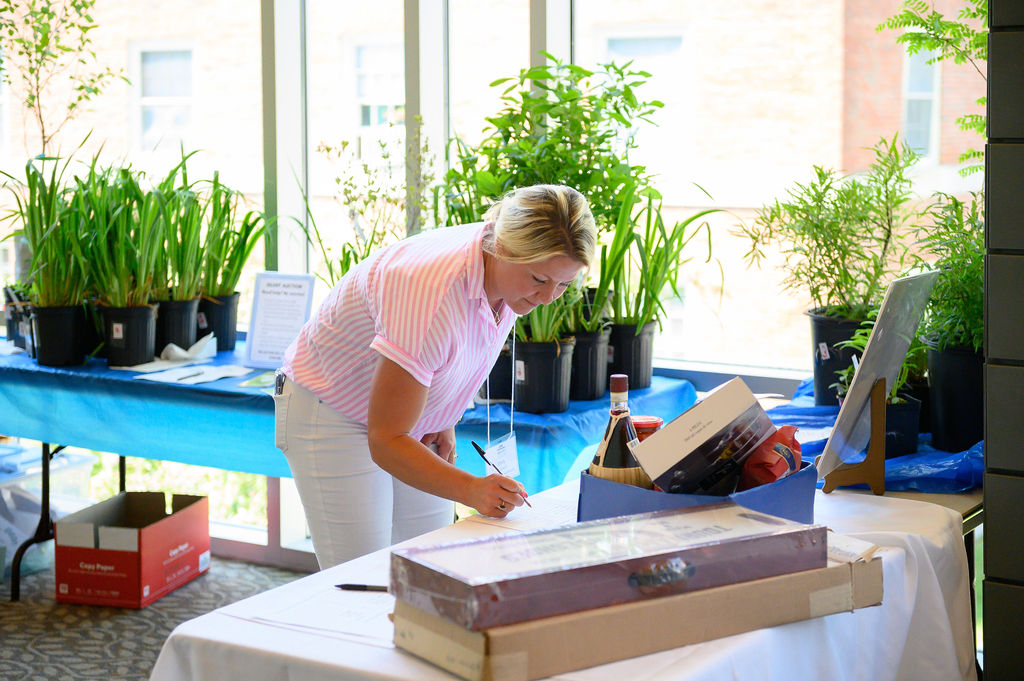
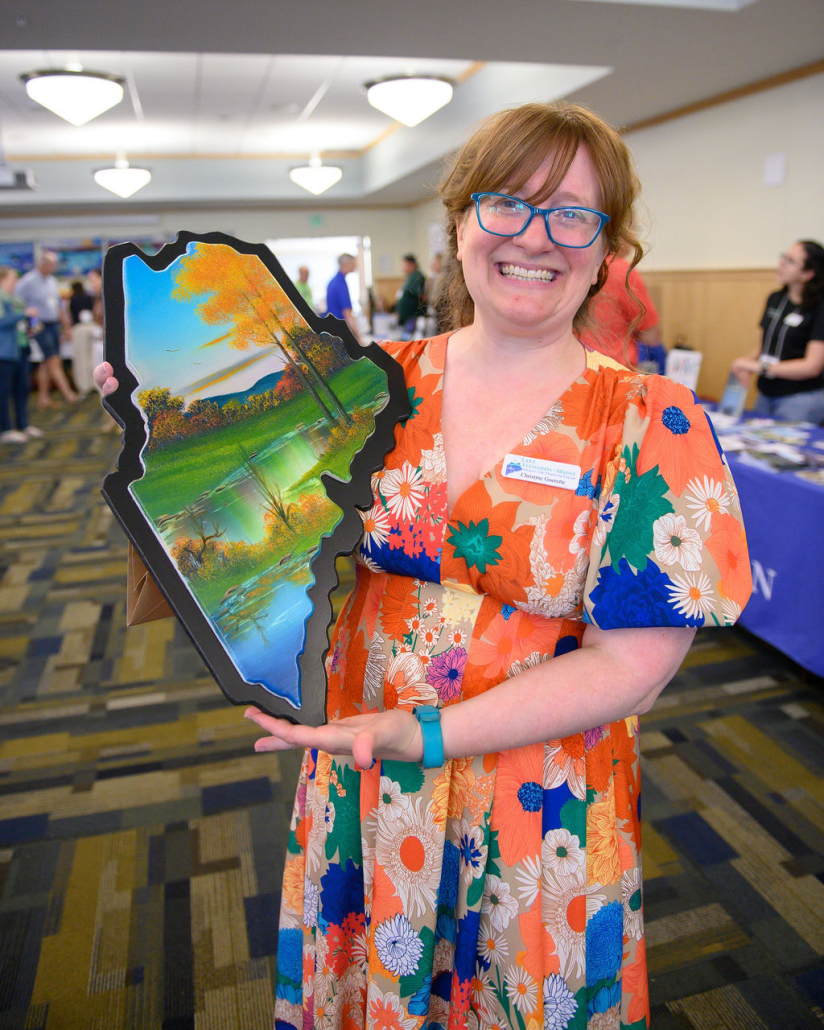
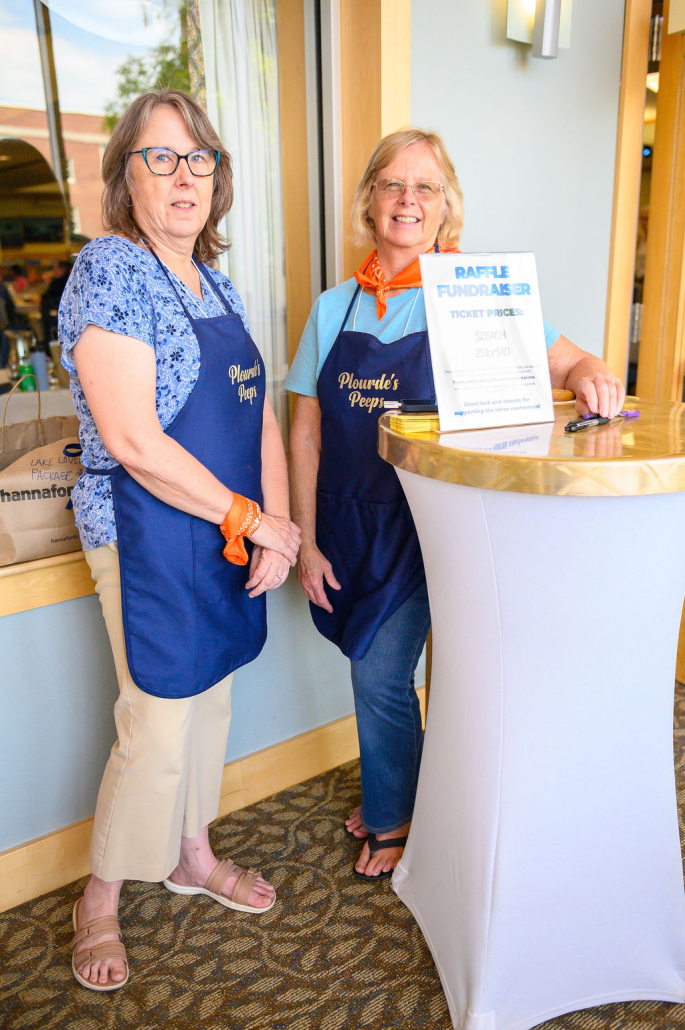
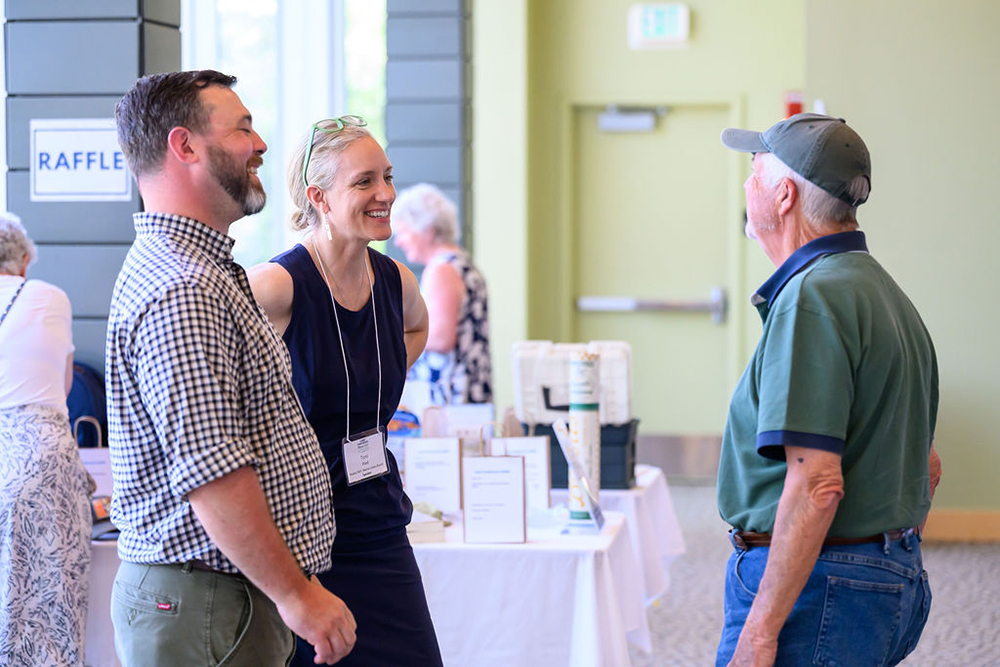
Donate to the Conference Fundraiser! We rely on both a silent auction and a raffle to raise funds to cover conference expenses and are grateful to the many individuals and businesses who have contributed to our fundraisers in the past. If you have a donation, please fill our short donation form HERE and we’ll be in touch!

Table at the Conference

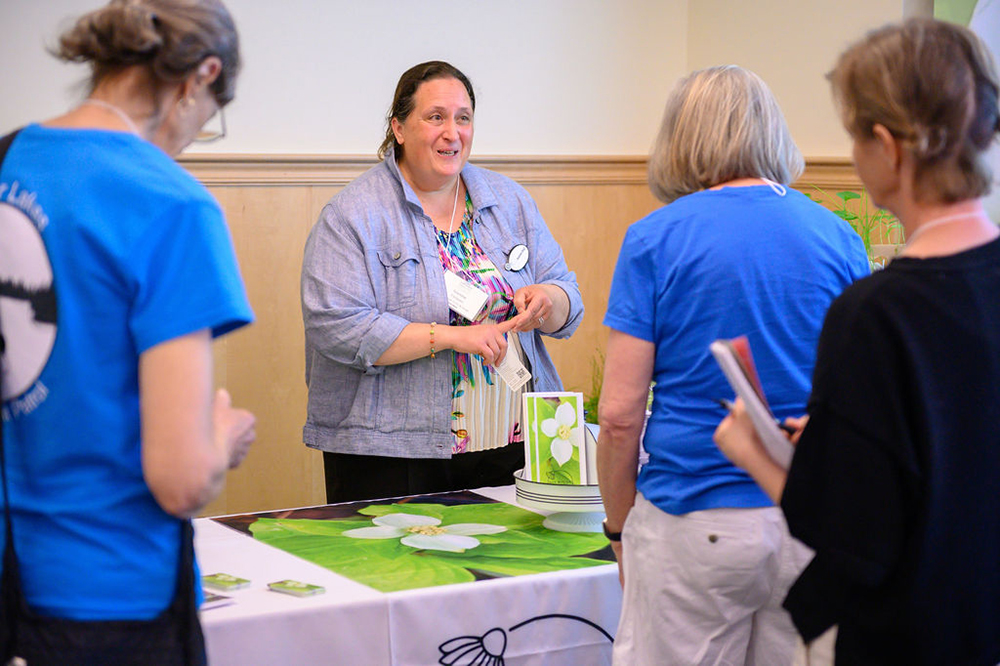
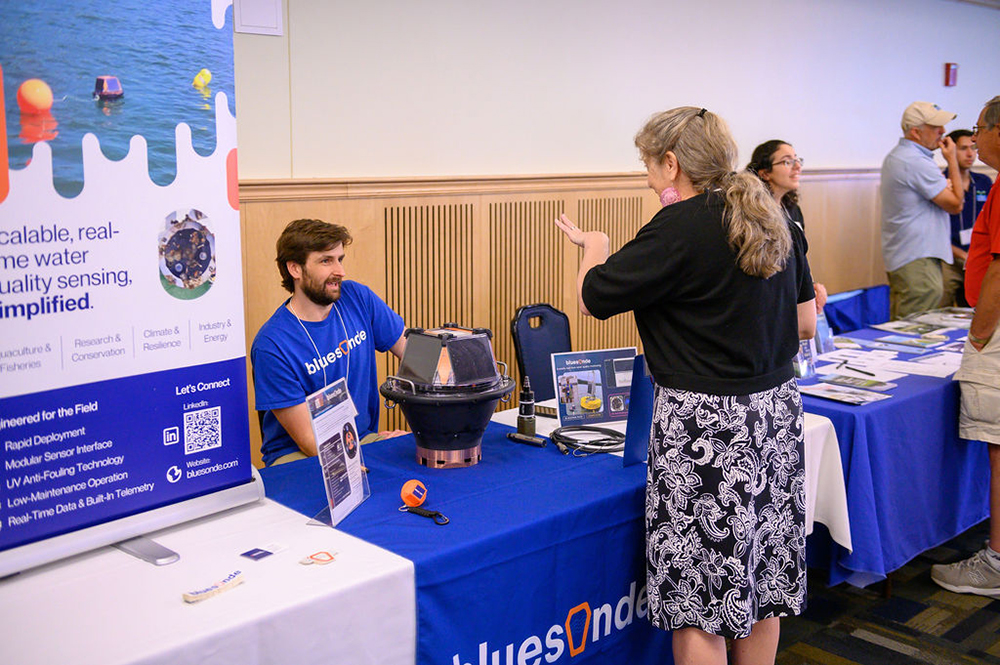
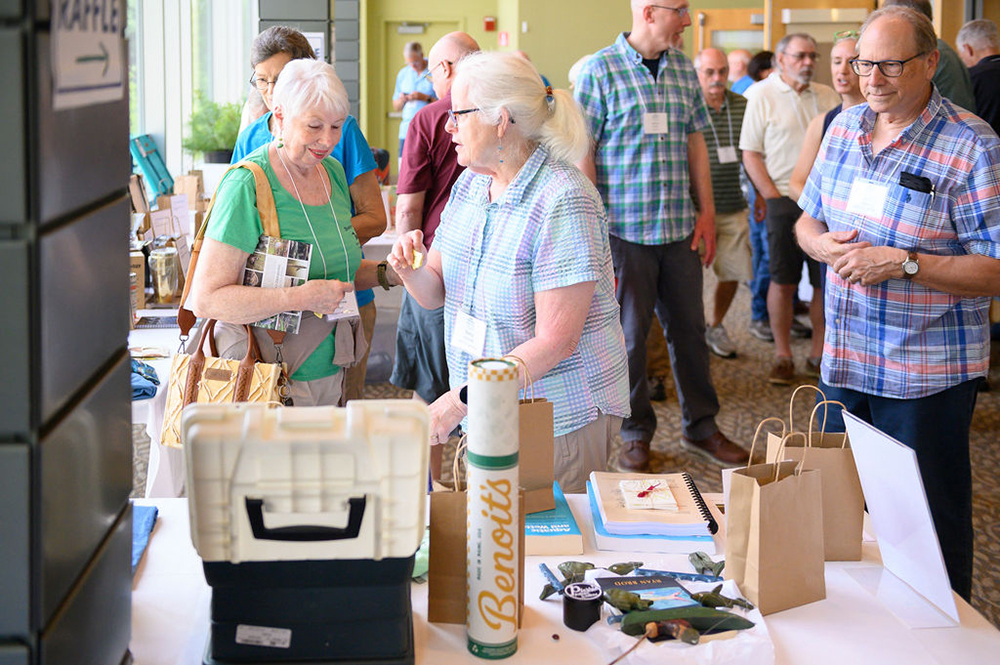
Want to share your business with conference attendees? Organizations and businesses are invited to table and/or sell products at the conference. You’ll meet with hundreds of conference attendees and get your business in front of a larger audience via social media and organizational newsletters. Fill out our vendor/exhibitor form HERE.

Sign Up for Conference News

Click here to subscribe to our Lake Conference Newsletter to find out more about next year’s conference and registration information.

Hosted By Maine Lakes & Lake Stewards of Maine

Guest Speakers & Panel

Keith Carson, Keynote Speaker

Former meteorologist for NewsCenter Maine and The Weather Channel and now the Director of Environmental and Science Communications at Maine Conservation Voters, Keith is on a mission to share the science of climate change and motivate people to make positive changes for the earth. Keith will share his expertise on ways to communicate effectively and take action, framed in the future of lakes in the face of change.

Climate change is one of the most important issues in the world; but there’s a problem- messaging around the topic has turned many people away. Drawing on almost 20 years of statewide feedback communicating about climate and the environment, Keith Carson will explain which words, phrases, and messages spur action and which send people into their political bunkers. He will cite specific campaigns that worked and others that backfired, while offering advice each audience member can apply to their role in the fight for the environment and against climate change. There will also be a Question and Answer portion to explore topics that aren’t covered in the talk.

Sabrina Koetter, Plenary Speaker

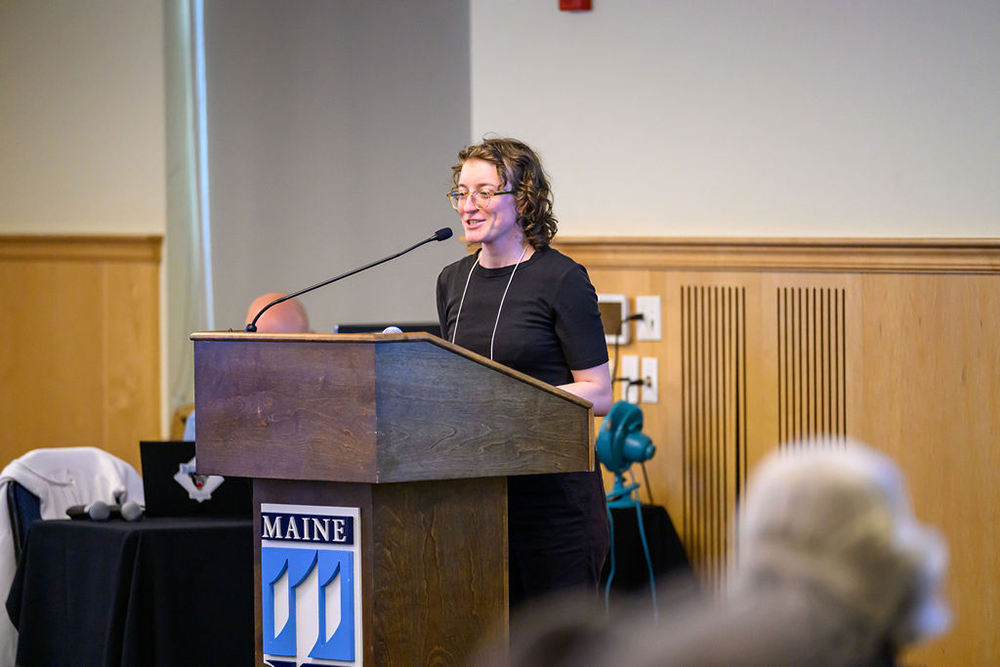
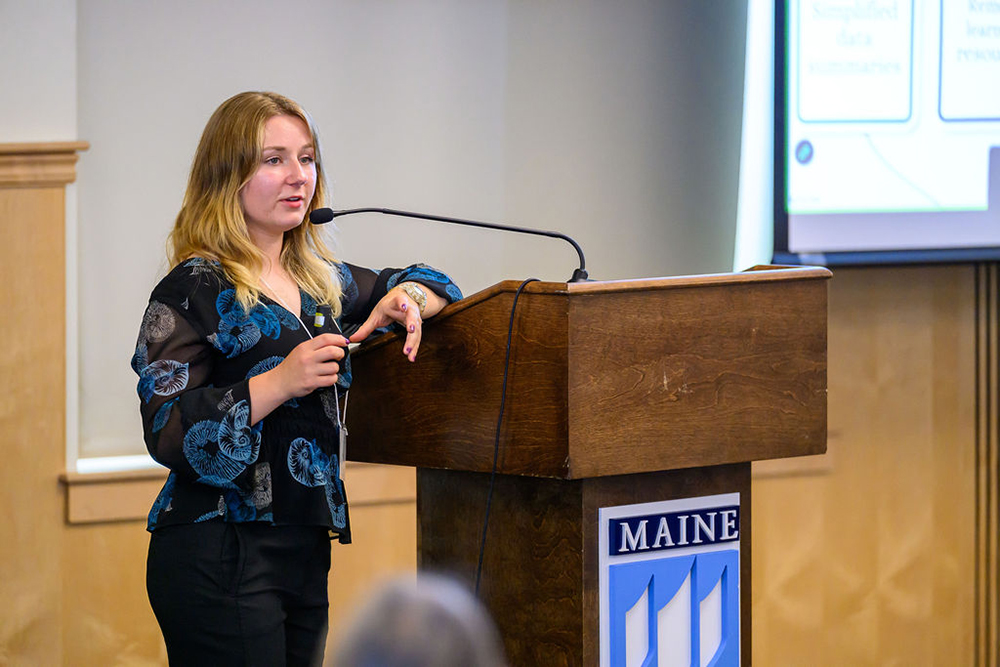
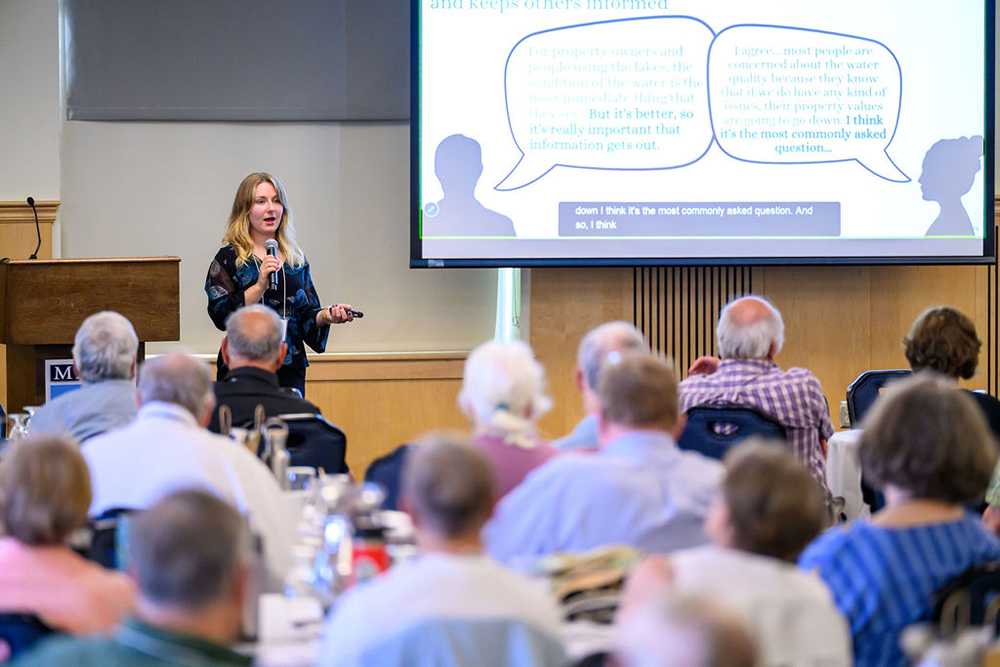
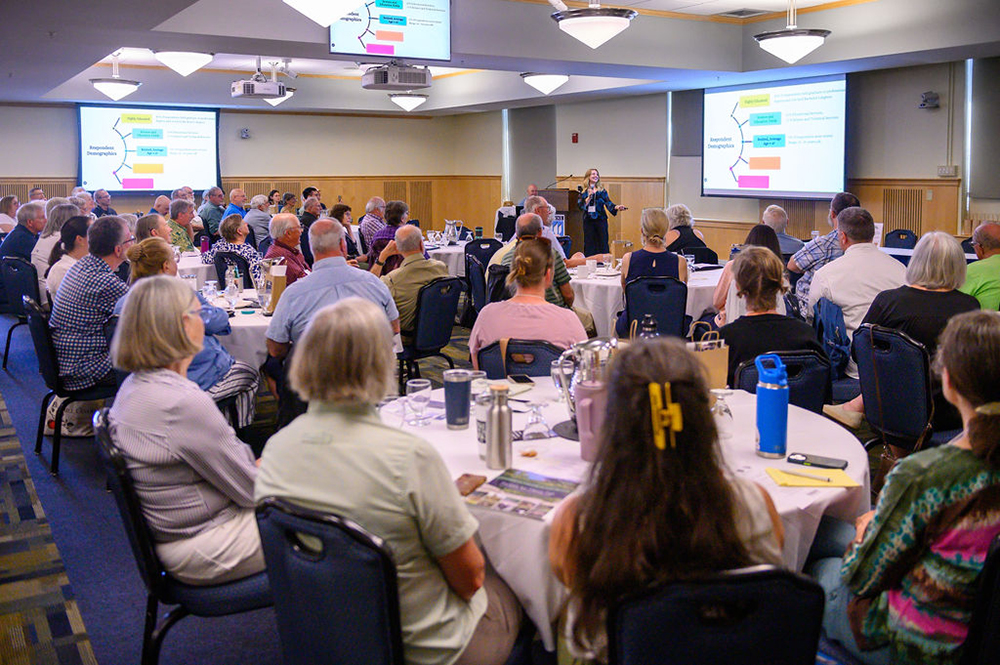
Currently wrapping up her Master’s thesis work at the University of Vermont, Sabrina will share results from her research into pathways of information sharing and outcomes for participants in volunteer water monitoring programs. Some of you may have interacted with Sabrina over the last year, or filled out her survey. She will share lessons learned and ways to help us all engage more people in action for healthy lakes as they face a changing future.

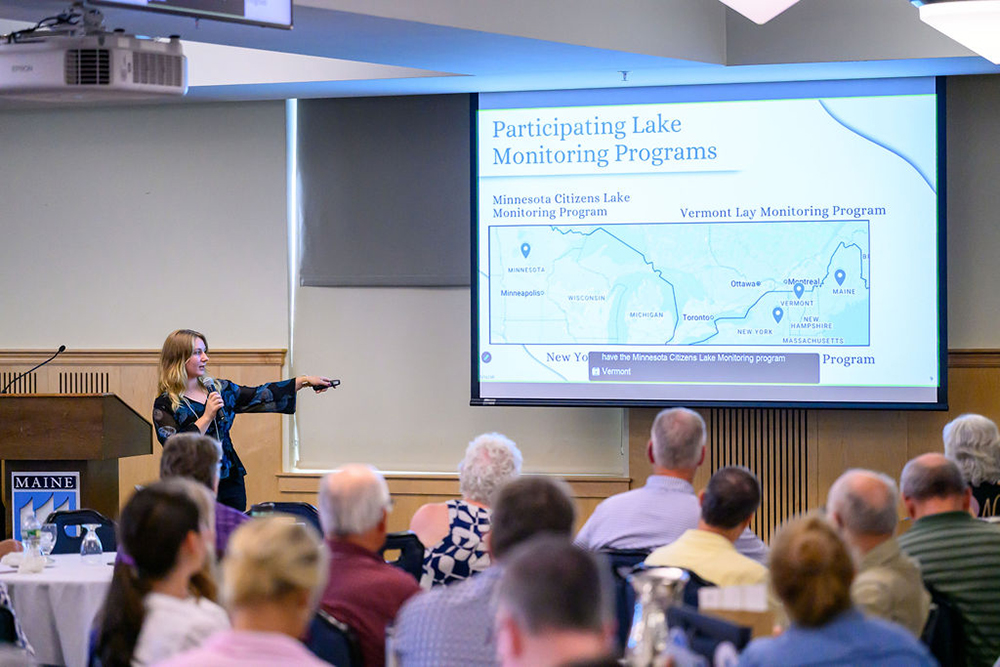
Previous research on water monitoring volunteers commonly focuses on data collection, learning outcomes, or motivations, while less is known about how lake monitors interpret their positions as participatory scientists. Drawing on role theories to understand how volunteers in long-term lake monitoring programs define and enact their unique roles within their lake communities, this research explores factors that influence communication behaviors. Using surveys followed by focus groups, quantitative and qualitative data were collected from lake monitors in four long-term monitoring programs in the United States (ME, MN, NY, VT). Exploring the relationship between roles and communication provides insight into social ties, community outreach, the organizational role of lake associations, and recommendations for lake monitoring program engagement. Additionally, recommendations from this research will be provided to volunteer lake monitors and program coordinators to promote a comprehensive understanding of the monitors’ contributions and challenges regarding monitoring and communication.

Toni Pied

Toni works with the Aquatic Invasive Species Unit at the Maine Department of Environmental Protection. Toni has been working to protect Maine’s natural resources for over twenty years, and has dedicated much of that time to protecting one of Maine’s most treasured resources, our lakes. Toni grew up in Massachusetts and was fortunate to spend much of her childhood exploring Maine’s lakes, forests and mountains.

After earning a degree in Environmental Science and Biology from the University of Maine Farmington, Toni moved to Gardiner, where she lives with her family, and works to protect the place that fostered her love of the outdoors. In her spare time, she loves exploring Maine’s lakes, forests and coast; hiking and kayaking.

Maine’s inland waters are integral to residents’ and visitors’ quality of life and to the State’s economy. These waters provide habitat for aquatic plants and animals. While some of Maine’s waters have been negatively impacted by AIS (Aquatic Invasive Species), Maine still has much to protect. The Maine Department of Environmental Protection (DEP) addresses AIS (primarily aquatic invasive plants) – in three ways: prevention, early detection, and control. Currently, Maine DEP’s efforts to reduce the spread of AIS include the Courtesy Boat Inspection (CBI) Program, early detection and control programs to reduce current infestations. These efforts and promoting Clean, Drain, Dry practices along with the Maine Department of Inland Fisheries and Wildlife, lake organizations, and municipalities throughout the State are what has helped limit the number of AIS infestations in Maine.

This project uses community-based social marketing (CBSM), a data-driven approach that leverages behavioral science, to develop a public engagement campaign to foster cleaning behaviors that benefit Maine’s inland waterbodies and prevent the spread of AIS.

Sally Stockwell

Sally Stockwell, Director of Conservation at Maine Audubon, is a wildlife ecologist with over 40 years of experience conserving wildlife and wildlife habitat across the state of Maine.  Since 2013 Sally has been promoting wildlife-friendly forest habitat management through the Forestry for Maine Birds program.  More recently, Sally worked with numerous partners including Maine Lakes to draft a Forests for Maine Fish guide on managing shoreland areas and surrounding woodlands to enhance fish and other riparian wildlife.  This is the first time Sally has shared this information at a Maine Lakes Conference.

Forests for Maine Fish is a new program highlighting the important connection between Maine’s forests and fish. This presentation will showcase why shoreland areas are important for high quality fish habitat and how to manage the areas around and behind your home in a fish and wildlife-friendly way to benefit both fish and the many other aquatic and terrestrial animals that depend on our forests.

Mary Szatkowski

Mary Szatkowski is a hydrogeologist for the Maine Geological Survey. Prior to joining MGS, she worked in Arctic Alaska evaluating impacts to lakes and streams from infrastructure development and climate change. Mary’s most recent projects have focused on water usage, drought, and the Maine Cooperative Snow Survey.

Maine’s annual precipitation is generally increasing, yet parts of the state have experienced “extreme drought”, as defined by the U.S. Drought Monitor, in three of the last ten years. These droughts represent extreme hydrologic conditions which have wide ranging impacts, from industry to public health. Stakeholders work together to respond to current drought impacts and build resilience for future droughts. Lake water storage is of specific concern because of the reliance of public water systems on surficial water sources. Furthermore, drought conditions influence lake water quality and, in cases, have been associated with algal blooms. This presentation will discuss the hydrologic conditions which define Maine’s droughts, the hydrologic connectivity between lakes and groundwater, and drought impacts to lake water quality, namely how drought can promote the mobilization of phosphorus from soils into surface waters.

Ivonne Vazquez

Ivonne Vazquez is passionate about native plants, herbs, pollinators, DIY, sustainability, the environment, and sharing gardening knowledge. She is most often found outdoors using her skills as a former Master Gardener Volunteer, Licensed Registered Maine Guide/Recreation, Basic Gardening Instructor at Bangor (Maine) Adult Community Education, and native plant nursery owner at Bas Rouge Farm & Forge, Orono, Maine.

In addition to growing and selling native plants, she has been a freelance writer on a variety of gardening topics and articles for the Maine Organic Farmers & Gardeners magazine, published by MOFGA; and an avid photographer whose main subjects are native plants and pollinators. She travels throughout Maine speaking and presenting workshops to a variety of audiences. Ivonne holds certificates in Sustainable Landscapes & Garden Management, Permaculture Design and, in 2025, she obtained credentials from the ANSI Accredited National Green Infrastructure Certification Program (NGICP) as a Green Infrastructure Practitioner.

Ivonne sits on the Boards of the Maine School Garden Network, Maine Organic Farmers & Gardeners Association (MOFGA) & Fedco Seeds.

In this presentation, we learn how the wellbeing of our lakes encompasses understanding the health of the soil and the benefits of native plants as allies. Key takeaways will include exploring the inherent functions of native vegetation (from keystone species to groundcovers) within our ecosystems and examples of practical solutions for a buffer to build sustainable resilience with native plant allies for land and lake.

Conference Schedule

MORNING SESSION

8:00 AMRegistration Opens, Coffee and breakfast snacks available.
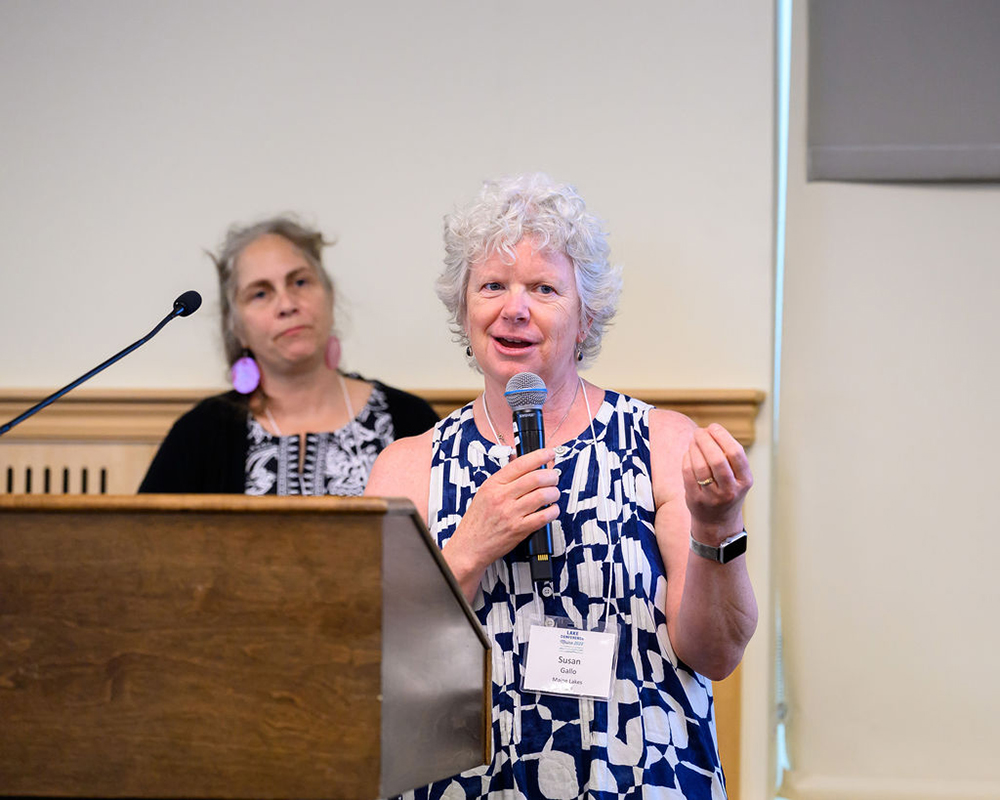
9:00 – 9:30 AMAlison Cooney and Susan GalloOpening Remarks:
9:30 – 10:30 AMKeith Carson, Maine Conservation VotersKeynote Talk, “How to Win the Messaging Battle on Climate Change: Our Lakes Need Your Help!”
10:30 – 10:50 AMBreak
10:50 – 11:45
Sabrina Koetter, Graduate Student, University of VermontPlenary Talk, “Connecting Lakes and Communities: Understanding the Roles and Communication Practices of Volunteer Lake Monitors”
11:45 – 1:15Lunch, Raffle and Silent Auction

EARLY AFTERNOON SESSION – SMALL ROOM

1:15 – 1:55Sally Stockwell, Maine AudubonForestry For Maine Fish
2:00 – 2:40Toni Pied, Maine Department of Environmental ProtectionSocial Marketing to Prevent the Spread of AIS

EARLY AFTERNOON SESSION – BIG ROOM

1:15 – 1:55Mary Szatkowski, Maine Geologic SurveyImpacts of Maine’s Drought Conditions on Lake Storage and Water Quality
2:00 – 2:40Ivonne Vazquez, Bas Rouge Farms and Forge Native Plant Allies for Land and Lakes

LATE AFTERNOON SESSION

2:40 – 3:00 PMBreak
3:00 – 3:50 PMLake Association Panel
3:50 – 4:00 PMClosing Remarks and Door Prize

Our Sponsors

FAQs

Why has the price of registration changed?

Registration costs have increased this year due to several factors, including a change in venue and the rising cost of food and event services. As with many events, the overall cost of hosting the conference, including meals, presentation space, and related logistics, has gone up. We remain committed to keeping registration as affordable as possible while continuing to provide a high quality conference experience for participants.

Why has the conference moved to a new location?

As statewide organizations, we are working to make the conference as accessible as possible to participants from across Maine. To help achieve this, we are looking to hold the conference in different parts of the state and try new locations. Rotating locations allows us to better reach stewards, volunteers, and partners from a variety of regions.

What should I bring?

There will be all-day coffee and tea service.  Please bring a coffee mug and/or refillable water tumbler.  Light snacks will be available in the afternoon.

Where can I stay?

There is a small block of rooms reserved at the Hotel Ursa for Thursday, June 11 at a special rate of $139 + tax for the night (option of 1 King-size bed or 2 Queen-sized; discount off $190 normal rate). Click here to book a room. Please reserve by May 20th.

Will there be a silent auction and raffle?

Yes. There will be both a silent auction and a raffle held as part of the conference. Proceeds from these fundraisers will help support the conference and offset event costs.  

Copyright, Lake Conference of Maine. All rights reserved.