
Jeremy Deeds
Biography
Jeremy Deeds has been an aquatic ecologist with the Maine Department of Environmental Protection since 2014. Prior to that, he worked with the Lakes and Ponds Section of the Vermont Department of Environmental Conservation. He has worked on many aspects of water quality and ecological condition, including lake condition assessments, biological community classification, data modeling, and littoral habitat evaluations. He holds an M.S. in Aquatic Ecology from Kent State University and a Ph.D. in Ecology and Environmental Science from the University of Maine.
Living on the Edge: Shallow-Water Habitat Condition in Maine Lakes
The shallow areas of lakes contain habitats that are critical to all lake life. The conversion of lakeshores to developed land – houses, roads, lawns, etc. – can diminish the quality of this habitat when the shoreland is not managed properly. Biologists at the Maine DEP have been studying the relationship between lakeshore development and the quality of shallow water habitat to better understand this linkage, and consequently make better decisions about where shoreland rehabilitation efforts are needed most. This presentation will show how these measurements are performed, what we are learning about lake habitat, and what these surveys mean for the future of lake protection in Maine.
Slideshow

Chad Hammer
Biography
Chad Hammer is the Invasive Plant Biologist with DACF: Maine Natural Areas Program. Chad earned an M.S. degree in Forestry at The University of New Hampshire (UNH). While at UNH, he conducted research on the invasion patterns and impacts of terrestrial invasive plants on streams and riparian forests and published research on increasing the biotic resistance of native plant communities in riparian forests to non-native plant invasions by planting native trees during restoration efforts after Hurricane Irene.
Prior to MNAP, Chad studied Forest Ecology & Management at the University of Montana and worked with Lake Champlain Research Institute (LCRI) as a research technician assisting in collection and identification of plankton communities and the long-term monitoring of water quality, food webs, and invasive zooplankton within Lake Champlain
The Impacts of Terrestrial Invasive Plants on Riparian Forests & Watershed Ecosystem Services
Non-native invasive species are a major cause of ecosystem degradation and impairment of ecosystem service benefits. Riparian areas are at high risk for invasion because they are among the most human-disturbed ecosystems in the world. Forested riparian areas provide us with many ecosystem services and are vital to streams, rivers, and lakes as they increase habitat complexity and available resources for organisms of many trophic levels. In this talk, we will discuss the impacts of terrestrial invasive plants on riparian forests, soil structure, soil functioning, stream physical habitat, and watershed function.
Slideshow
Rebecca Jacobs
Biography
Plants for the Littoral and Emergent Zones
Building better buffers is important for a multitude of reasons: sediment and erosion control, wildlife habitat, water quality and other ecosystem services. That said, the littoral and emergent zones—those areas that will at times be flooded and others be moist to perhaps even dry—can be a challenge when looking to improve the buffer. Learn what plants are well adapted to these hydraulic fluctuations as well as some tips and techniques about how to manage these unique habitats.
Slideshow
Cary James
Biography
Cary James is the current president of the Meddybemps Lake Land Trust. His wife’s family are lifelong residents of Meddybemps. Cary became involved with the lake in 1975 when he met her. He has been actively involved in monitoring the water chemistry of the lake for over 30 years. In a former life he taught chemistry at Bangor High School where he introduced students to water related research. His students include the 2010 National Stockholm Junior Water Prize (SJWP) winner, the 2011 Bjorn von Euler Innovation in Water Scholarship winner, and the 2016 first place INTEL Science Talent Search “Global Good” award winner. He created the Stormwater Management Research Team (SMART) program at the University of Maine that engaged students and teachers in authentic evidence-based research experiences. When not at the lake he enjoys cycling and completed a self-supported cross country bicycle ride from San Diego, California to St. Augustine, Florida in 2019 at age 68.
Building Trusts at the Lakes Edge
The Meddybemps Lake Land Trust (MLLT) and Downeast Lakes Land Trust (DLLT) recently formed a landmark long-term partnership for the purchase and management of 505 acres of property along Meddybemps Lake including 3.8 miles of shore frontage. DLLT will own the property and MLLT will manage the land. This presentation will focus on mechanisms for creating partnerships between land trusts to protect the shorelines of Maine lakes.
Slideshow
Slideshow
Jen Jespersen
Biography
Jen Jespersen is an ecologist and water resource specialist with more than 20 years’ experience in the environmental field. She works with lake associations, municipalities, Conservation Districts, and state and federal agencies to protect and improve the quality of Maine’s water resources. Jen is a detail-oriented field scientist and watershed planner with expertise in leading and conducting complex watershed projects in Maine and throughout New England.
Jen joined the Maine Lakes Society’s Board of Directors in 2008, serving as the conference chair from 2009-2015, and rejoining the Board in 2017 as 1st Vice President and communications lead. Her passion for protecting lakes stems from her childhood spent exploring beautiful Clearwater Lake in Industry, Main
Visualizing Internal Phosphorus Release from Lake Sediments Using Volunteer-Collected Data
Many Maine lakes, including some of the most bloom-prone on the Maine DEP’s list of “Impaired” lakes and 32 lakes on the “Threatened” lakes lists, are highly sensitive to internal phosphorus (P) release from bottom sediments. While most volunteer monitors aren’t trained to collect water column P data, some watershed groups have taken on this task to better understand internal P loading and its link to summer algal blooms. This presentation provides an overview of monitoring methods and types of data needed to create P mass graphs using volunteer-collected data, and how to interpret the graphs. These results can be used to calculate the mass of P in a lake, gain a better understanding of the role of internal (sediments) vs. external (watershed) P loading during different times of the year, and visualize the lake’s response to environmental factors such as precipitation. Examples will include graphical representations of internal loading from a variety of lakes across the state ranging from shallow unstratified or ephemerally stratified lakes, to deep stratified lakes.
Slideshow
John Maclaine (keynote speaker)
Biography
John Maclaine has served as the Coordinator of DEP’s Nonpoint Source Training Center since 2019. Throughout the last 20 years, John has worked at the intersection of land use, development, habitat and water quality in Maine through diverse roles in shorebird & fisheries restoration, land use and shoreline regulation, construction oversight, and environmental outreach. Through these various roles and a passion for ecological approaches, John’s work currently focusses on providing training and guidance to contractors, homeowners, and others involved in protecting water quality in Maine.
Our Shore: The Nature-based Shoreline Stabilization Toolkit
Over the last few years, the Maine Department of Environmental Protection and Maine Climate and Science Information Exchange at the University of Maine have been partnering with natural resource agency staff, university faculty, municipal officials, and design professionals to develop “O.U.R. S.H.O.R.E”. OUR SHORE is intended to provide guidance and training for using nature-based tools to protect against shoreline erosion, while preserving and restoring natural functions to these important areas. OUR SHORE is a method of comparing options for shoreline stabilization so landowners, contractors, designers, and others can customize solutions for shoreline erosion in a manner that preserves or improves shoreline habitat, functions, and long-term resilience. The OUR SHORE approach relies on targeting the contributing sources of erosion and instability to select and combine tools that will address these causes using the least intervention necessary while using natural, biodegradable or living materials. The guidance provides techniques and considerations to include habitat and shoreline functions into the design of any project, even when riprap is used, so the outcome over time is a naturalized and more resilient shoreline.
Slideshow
Slideshow
Sharon Mann
Biography
Sharon has led the Invasive Aquatics program in the Belgrade Lakes Watershed since 2018. In her tenure at 7 Lakes Alliance, she has found many ways to incorporate scientific research and data collection into Invasive aquatic species survey and remediation efforts. Since 2021, Sharon has been working towards her doctoral degree through the University of Maine as part of a multi-institutional initiative to develop molecular tools for coastal management and communications. The Maine-eDNA project is funded by the National Science Foundation and partners with resource managers across the state. While in the Maine-eDNA program, Sharon learned valuable skills that she is excited to bring back to the lake monitoring community.
Building eDNA Applications for Invasive Aquatic Species Detection to Supplement Monitoring Programs
This presentation will cover the basic concepts, advantages, and shortcomings of eDNA before addressing specific areas of lake management that can benefit from eDNA tools.
Environmental DNA (eDNA) is genetic material left by organisms in their environment. In recent decades eDNA technology has advanced in its abilities to detect algae, zooplankton, fish, and plants in aquatic systems. eDNA applications are best used when paired with existing survey methods as it is a growing field. Numerous side-by-side (eDNA to traditional survey) comparisons have demonstrated strong overlap in species identification for fish and zooplankton and often eDNA detects more species than identified using traditional survey methods alone. For lakes and ponds that do not have established monitoring programs, eDNA may provide an easy and effective way to survey these underserved areas. One of the remaining limiting factors for eDNA applications is the need for accurate and accessible DNA sequencing from verified specimens (i.e. DNA library) to verify DNA sequences from environmental samples. Some groups of organisms (freshwater fish and eukaryotic algae) have decent coverage of DNA sequences in open source libraries while other organisms such as aquatic plants have limited DNA sequences verified sources available. In 2023, 7 Lakes and partners (Bigelow Laboratory, Lake & Watershed Associates, lake associations) launched an ambitious effort to collect voucher specimens of all aquatic plant species (native and invasive) found in Maine to build an accessible, accurate, and trustworthy eDNA library for aquatic plant surveys. The library is slowly building! All lovers of lakes and aquatic plant enthusiasts are welcome to join in on the effort.
Slideshow
Brittany Schappach
Biography
Brittany Schappach is a Forest Entomologist with the Forest Health & Monitoring team at the Maine Forest Service in Old Town. Brittany earned her M.S in Entomology at the University of Maine where she received an award for her interdisciplinary graduate research on blacklegged ticks. She joined the Maine Forest Service in 2022 and enjoys projects where she can teach the public about native and invasive insect species that impact Maine’s forests and human health.
Insects at the Edge: How can bugs impact lake quality?
Healthy trees near watersheds and shorelands can help maintain the quality of aquatic habitats. Native and invasive insects in Maine have the potential to overwhelm and kill trees, reducing their ability to keep our forests and lakes healthy. Tune in to learn how forest pests can impact lake quality, identify symptoms of insect damage, and how forest pests can impact trees and consequently, lakes.
Slideshow
2024
John Daigle
Biography
Dr. John J. Daigle is a citizen member of the Penobscot Nation and Professor in the School of Forest Resources at the University of Maine, Orono. For the past 15 years he has been working on a project mobilizing diverse interests to address potential threats from invasive species in Maine – the case of the Emerald Ash Borer (EAB). The research seeks to study and facilitate the ways that Wabanaki, basket-makers, tribes, state and federal foresters, university researchers, landowners and others come together to prevent, detect, and respond to the threat of EAB. He has published research with co-authors on outreach and education, management, and policy. In 2023, the Ash Protection Collaboration Across Wabanakik or (APCAW) was created offering informative webinars and in-person trainings as well as a dedicated APCAW website for recorded sessions and other program information.
The invasive emerald ash borer (EAB)
The invasive emerald ash borer (EAB) poses a potentially devastating threat to all three species of ash (brown, green, and white) found in Maine. The EAB is of particular concern to Maine Indian Basketmakers, who rely on brown ash (Fraxinus nigra) to make Indian ash splint and sweetgrass baskets, the oldest documented arts tradition in New England. The University of Maine has created with other collaborators the Ash Protection Collaboration Across Wabanakik or APCAW and we’ll share current efforts underway building a community of interest and response to an invasive species threatening Maine’s ash trees.
Adam Daignault, Keynote Speaker
Biography
Dr. Adam Daigneault is the EL Giddings Associate Professor of Forest Policy and Economics in the University of Maine’s School of Forest Resources. He is a natural resource economist who develops models to value ecosystem services and assess the socioeconomic impacts of environmental and land use policy on the natural resource sectors.
Valuing the Economic Benefits of Maine’s Great Ponds in the 21st Century
Over the past 25 years, the Great Lakes and Ponds of Maine have faced challenges such as development, invasive species, and climate change, prompting a reassessment of their economic value to effectively guide conservation efforts. In response, we conducted a comprehensive economic assessment focused on recreation, water consumption, youth camps, and the impact of water quality on lakefront property values. We estimated that the total net economic value of Maine’s Lakes is nearly $14 billion. An accompanying survey on perceptions of lake water quality highlighted the importance of water clarity in recreation choices, with the average visitor indicating that they choose to visit lakes with water quality that is more than safe for swimming. The survey also highlighted that visitors have positive perceptions of Maine’s lake water quality, but costs and lack of accessibility create barriers to using lakes. Given these findings, our study emphasizes the need for Maine’s water bodies to be managed in a sustainable way that accounts for public perceptions of lakes and preserves or improves their water quality.
Julie and Matt Davenport
Biography
Julie Davenport – Maine Forest Service
Julie is a district forester helping western Maine loggers and landowners manage their forests. A second generation forester, Davenport can help with everything from encouraging wildlife to navigating regulations for water quality. When not at work you can find Julie in the garden, hiking a mountain, or on stage playing bluegrass music.
Matt Davenport – MW Davenport Tree Work and Excavation
Matt is the owner and operator behind MW Davenport Tree Work and Excavation. As a licensed arborist, Matt has been removing hazardous trees and working with homeowners to achieve their property goals for over 10 years. Matt spends his free time raising cattle and spending time with family.
Managing Trees in the Shoreland Zone
Dealing with Trees in the Shoreland Zone
There is a lot more to removing trees in the shoreland zone than just cutting them down. Join MFS district forester Julie Davenport for an explanation of what rules apply where and when. Licensed arborist Matt Davenport will discuss how to take care of trees in the shoreland zone and ways to assess damage from storms and potential hazard trees.
Gary Fish
Biography
Title: Maine State Horticulturist
Degree: B.S. Forest and Wildlife Management from the University of Maine, College of Forest Resources in 1982, Master of Policy, Planning, and Management 2023.
Experience: State Horticulturist since 2015. Manager, Pesticide Programs for the Board of Pesticides Control for 28 years. Off and on practicing Licensed Professional Forester since 1985, Kents Hill Forestry Services. Former chair of the Arborist Board. Worked as a horticulturist for ChemLawn Services Corporation for 5 years, 1983 – 1988.
Personal: Grew up in Farmington, Maine. An entomologist from birth and was inspired to love plants by my Mother, who always grew beautiful roses and rock gardens. I am also a landscape and nature photographer. (Phish Photography on Etsy) HYPERLINK “https://www.etsy.com/shop/phishphotography” https://www.etsy.com/shop/phishphotography
Addressing Existing and Emerging Invasive Species Challenges
Continuing to do what is currently done makes the State of Maine vulnerable to the increasing rate of new IS invasions. Maine must enhance sustainable, long-term funding for IS programs and ensure staffing resources are available to address existing and emerging IS challenges.
- Seek new, sustainable, dedicated funding sources such as the Lake and River Protection Sticker for other IS taxa groups.
- Add a Senior Planner position at the DACF or other IS management agency to analyze current state resources further and ensure collaboration and coordination among Maine’s IS programs.
- Add an Invasive Species Advisory Council that reports to the Governor’s Office.
- Add an IS management liaison position in each department that manages IS, e.g., DACF, IF&W, DEP, DHHS, MDOT, and DMR.
Conclusion
Maine should consider following in the footsteps of states such as Pennsylvania (https://www.agriculture.pa.gov/Plants_Land_Water/PlantIndustry/GISC/Pages/default.aspx) and Massachusetts (https://malegislature.gov/Bills/192/S563) and thoroughly analyze the current invasive species programs and approaches to determine if instituting a more comprehensive approach like that used by the states of New York, and Michigan should be implemented.
Rapid response and control activities are needed to reduce and eliminate new and existing populations of invasive species in Maine.
Cooperation and partnerships at all levels must exist to effectively prevent and manage invasive species beyond rapid response efforts. State agencies cannot fight the battle alone. Diverse and expansive partnerships with local leaders and organizations, such as businesses, industry, town managers, land trusts, environmental NGOs, Soil & Water Conservation Districts, and lake associations, are essential.
The survey respondents clearly stated that more staff and dedicated funding sources are essential. Many supported a comprehensive and collective approach among state, county, municipal, and private entities, such as the Partnerships for Regional Invasive Species Management (PRISM) model.
The survey also revealed the large number and variety of organizations working on invasive species management and the need for coordination among those groups and abutting land managers.
Melissa Genoter, Keynote Speaker
Biography
Melissa Genoter is a 2024 graduate of the University of Maine’s Ecology and Environmental Sciences program. She has been active in lakes conservation since joining Friends of the Cobbossee Watershed in 2019, where she worked as a Youth Conservation Corps member, crew leader, and technical advisor over five field seasons. Throughout her time as an undergrad at UMO, she worked as a research assistant on Adam Daigneault’s team to estimate the current economic value of Maine’s lakes.
Valuing the Economic Benefits of Maine’s Great Ponds in the 21st Century
Over the past 25 years, the Great Lakes and Ponds of Maine have faced challenges such as development, invasive species, and climate change, prompting a reassessment of their economic value to effectively guide conservation efforts. In response, we conducted a comprehensive economic assessment focused on recreation, water consumption, youth camps, and the impact of water quality on lakefront property values. We estimated that the total net economic value of Maine’s Lakes is nearly $14 billion. An accompanying survey on perceptions of lake water quality highlighted the importance of water clarity in recreation choices, with the average visitor indicating that they choose to visit lakes with water quality that is more than safe for swimming. The survey also highlighted that visitors have positive perceptions of Maine’s lake water quality, but costs and lack of accessibility create barriers to using lakes. Given these findings, our study emphasizes the need for Maine’s water bodies to be managed in a sustainable way that accounts for public perceptions of lakes and preserves or improves their water quality.
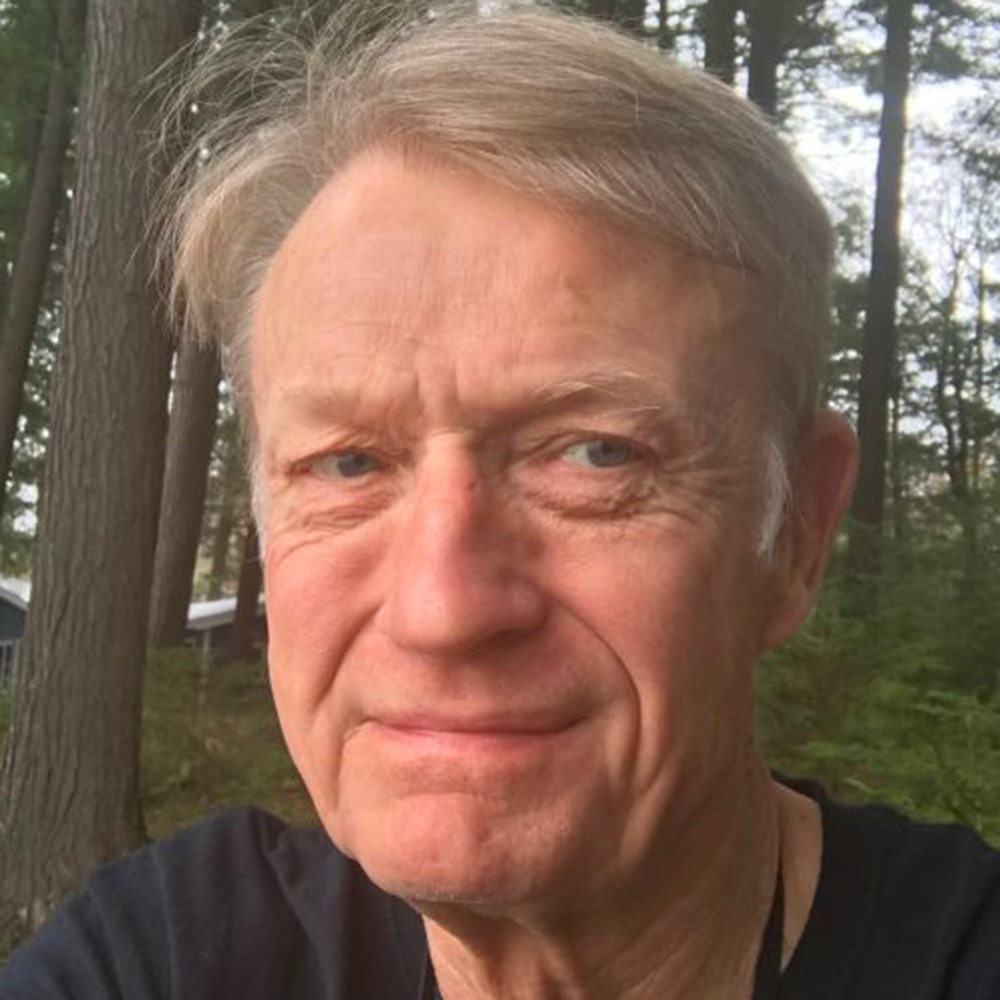
LLoyd Irland
Biography
Lloyd Irland is founder and president of the Irland Group. He has been a forestry consultant to industry, governments, trade and environmental groups since 1987. From 2003 to 2010 he taught at the Yale School of Forestry and Environmental Studies. He served with the U.S. Forest Service and the Maine state government and in the U.S. Army in Vietnam.
Irland is author of five books and was a junior author of the timber chapter of the Millennium Ecosystem Assessment (2005). He participated in the U.S. National Assessment on Climate Change and attended the global climate summits at Copenhagen and Cancun. A Fellow of the Society of American Foresters, his work on forests has brought him to China, India, Germany, Austria, Greece, Bhutan, France, Yugoslavia, Mexico, Nicaragua, and Ukraine.
Irland earned his B.S. from Michigan State University, his M.S. from the University of Arizona and his Ph.D. from Yale University.
Maine’s Rivers and lakes: 430 Towns, 30 Plantations
Maine’s Rivers and lakes: 430 Towns, 30 Plantations
Maine’s Rivers and Lakes suffer from too many levels of local government, but too little governance. We do not have the institutions that will work. The DEP is too busy. Too much is done through an uncoordinated non-system of grants. This talk amplifies the argument.
Governance…the issue of the 2030s. The issue is not on anybody’s issue list because it is in our bones arising from the late Middle Ages in England. It leads to governance at the wrong level for almost every river and lake in Maine. People who like it are those who own homes – especially overcrowded ones at the lake — and would be happy to see no more of them built. And no Septic Inspectors poking around. It’s not working — 127 lakes are on the DEP Watch list. Face it — Maine is a gigantic sprawl machine and it can’t be stopped. One solution is at our fingertips: the county, but nobody likes that! But ingredients could work.
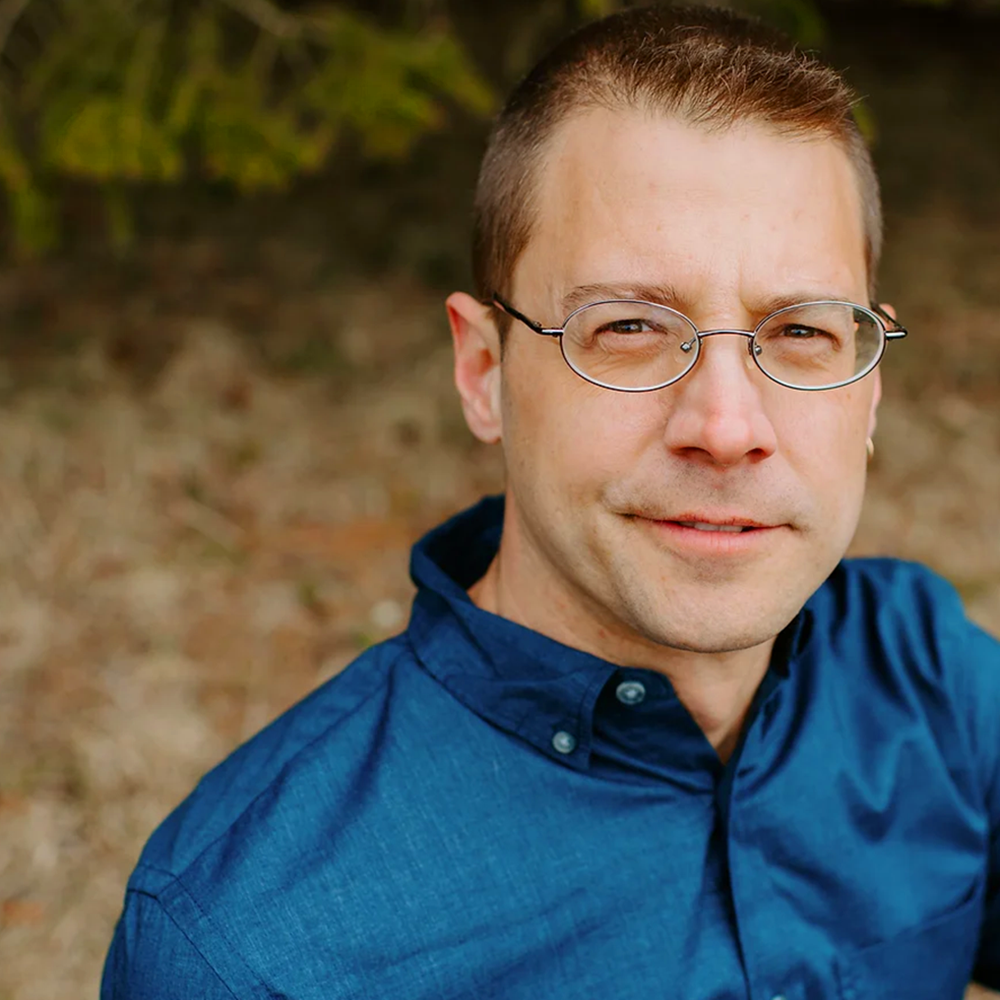
Christopher Packard
Biography
Brittany Schappach is a Forest Entomologist with the Forest Health & Monitoring team at the Maine Forest Service in Old Town. Brittany earned her M.S in Entomology at the University of Maine where she received an award for her interdisciplinary graduate research on blacklegged ticks. She joined the Maine Forest Service in 2022 and enjoys projects where she can teach the public about native and invasive insect species that impact Maine’s forests and human health.
Lake Monsters, Water Beasts, and Creatures of the Shores
Maine abounds in tales of lake monsters, water beasts, and creatures of the shores. Packard will lead the group through a tour of Maine’s freshwater creatures which are not yet known to science but that are well known to the guides, sports, and lumberjacks who know and love these waters so well. Packard will also share lore surrounding specific lakes and rivers throughout the State. Members of the audience will be invited to share their thoughts, stories, and experiences as well. This talk is based upon the research for Packard’s “Mythical Creatures of Maine” (2021, Down East Books) as well his research for an upcoming sequel.
2023

Alex Wong
Biography
Alex earned a master’s degree from the University of New Hampshire. Although his degree is technically in Zoology, he spent his time researching toxic cyanobacteria in the ab of Jim Haney, so Alex just tells people he’s a limnologist and not a zoologist. He spent 17 years working to protect public drinking water supplies, and in November of 2021 started working to protect all lakes as the NPS Grant Program Coordinator at the DEP. Email Alex
PARTNERSHIPS: Encouraging Living Shoreline Design & Construction Through the Maine NPS Grant Program
The shallow areas of lakes contain habitats that are critical to all lake life. The conversion of lakeshores to developed land – houses, roads, lawns, etc. – can diminish the quality of this habitat when the shoreland is not managed properly. Biologists at the Maine DEP have been studying the relationship between lakeshore development and the quality of shallow water habitat to better understand this linkage, and consequently make better decisions about where shoreland rehabilitation efforts are needed most. This presentation will show how these measurements are performed, what we are learning about lake habitat, and what these surveys mean for the future of lake protection in Maine.
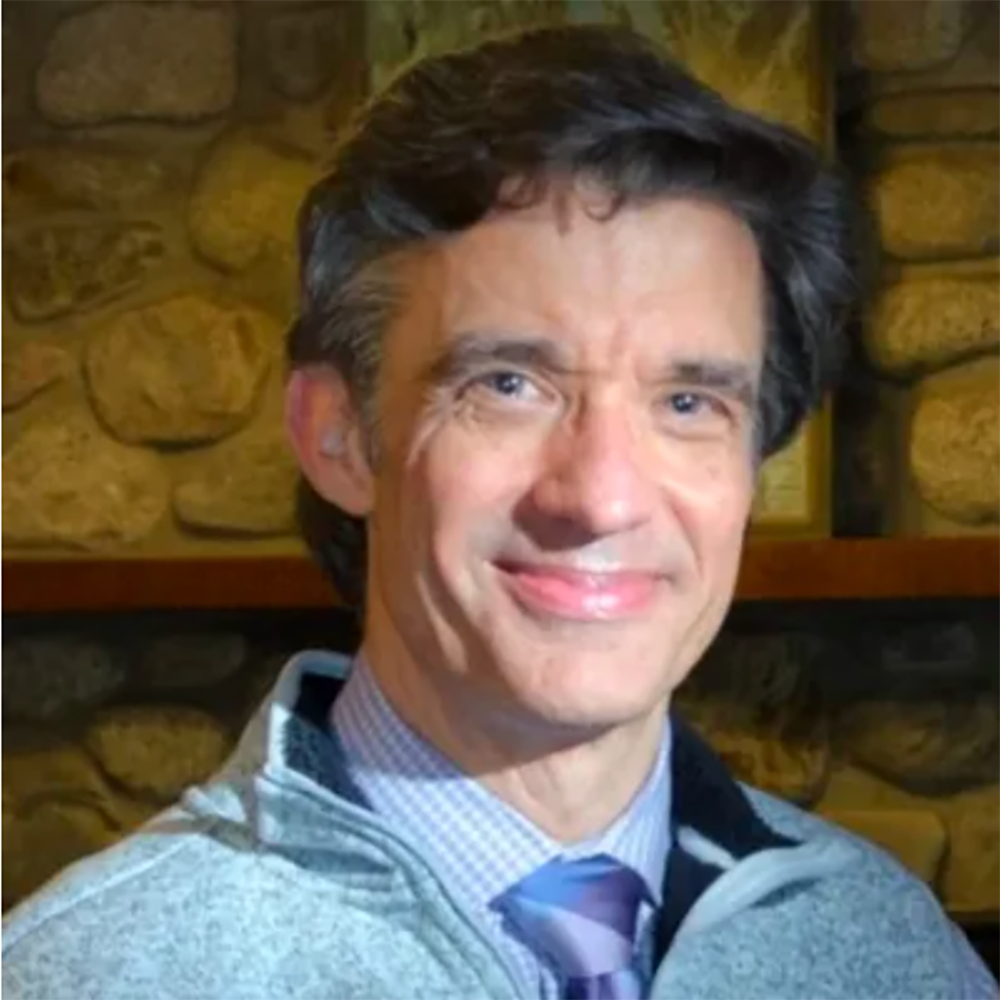
Anthony Wilson
Biography
Anthony earned a master’s degree in public administration from the University of Texas at Tyler. He served 15 years in municipal government, including three years as Belgrade’s town manager, and started as Winthrop Town Manager on June 5th of this year. Prior to that, he spent a year as the director of communications and operations for 7 Lakes Alliance, an accredited land trust and lake conservation organization based in Belgrade. He and his wife own a camp on Great Pond in Belgrade. Email Anthony
Perspectives on town government-NGO partnerships
What is each side expecting in a town government-NGO collaboration? What works and what doesn’t when it comes to matters such as ordinances that address lake protection, seeking town funding, conveying the importance of water quality to a community’s local economy, and impressing the need to invest in lake protection measures. Success stories will be shared!
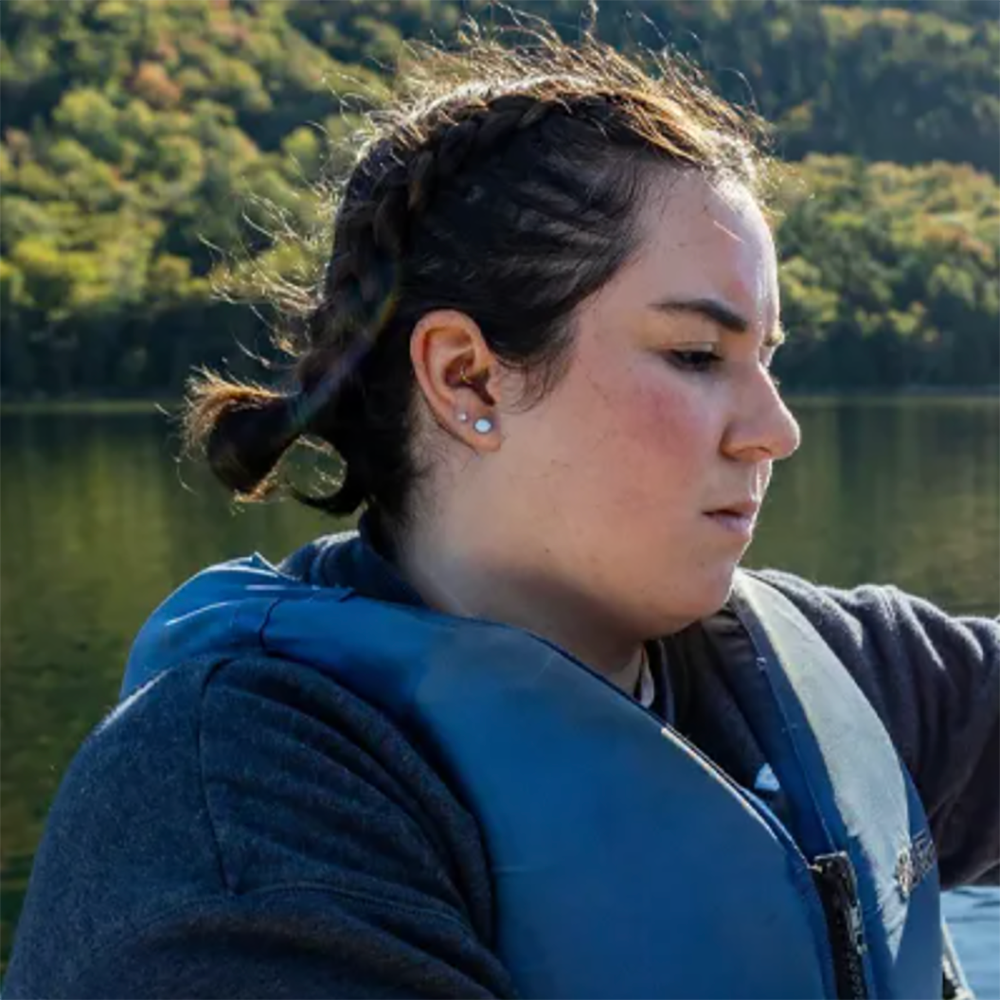
Avery Lamb
Biography
Originally from Alabama, Avery received B.S. and M.S. degrees in Environmental Science from Auburn University. Though she knew she wanted to pursue some form of research that combined science and human impacts on the environment, it was not until her M.S. research that she found her passion for paleolimnology. Paleolimnology uses lake sediment to reconstruct past lake environments and uniquely layers storytelling into science. Her M.S. research focused on studying nutrient dynamics, cyanobacteria, and cyanobacterial toxins in Florida lakes. Wanting to continue in the paleolimnological field, she followed the high concentration of lakes northward and began a PhD program in Ecology and Environmental Science at the University of Maine in 2021. Currently, she is studying the effects of climate change on historical harmful algal blooms in Maine lakes over the past 200 years. She looks forward to continuing to do lake research that both answers important scientific questions and has important implications for the surrounding community members. Email Avery
From the Lake to the Lab: Understanding the History of Maine’s Lakes
Science is enhanced by engagement with those already invested and implicated in the outcomes. For my PhD research, understanding Maine’s lake history is enhanced by involvement of those concerned with the health and well-being of their lakes—namely, a huge proportion of Mainers. From individual landowners to local lake associations, state-wide nonprofit organizations, the Maine Department of Environmental Protection, and indigenous people groups, engaging with Maine stakeholders throughout the whole research process creates opportunities to make science more understandable and actionable. We at the Lake Ecology Lab at the University of Maine are intentionally engaging communities in Maine as we investigate the impacts of climate change on Maine lakes.
Dave Rocque
Biography
Dave is a certified soils scientist, a licensed professional forester, a licensed site evaluator, and a wetland scientist. He graduated from the University o Maine, Orono in 1975 with a degree in forest management. He recently retired from the Maine Department of Agriculture, Conservation and Forestry as the State Soil Scientist, where he had been for 31 years. Prior to this position, he was the State Site Evaluator for three years with the State Septic System program. Before working for the State, he worked for engineering firms for 10 years. David helped write sections of the septic system rules and continues to assist the septic system program, including the evaluation of many prematurely failed septic systems and septic systems suspected of impacting surface and groundwater quality. He has also designed hundreds of septic systems as a site evaluator, and has conducted annual training workshops for septic system installers for the last 32 years. Email Dave
LAKE SCIENCE: Septic Inspections and Evaluations at Georges Pond
Georges Pond is a 358-acre lake with a 1-square mile watershed located in Franklin, ME. The lake is listed on Maine’s nonpoint source (NPS) priority watersheds list due to changes in water quality over the past decade- specifically because of nuisance algal blooms which began in 2012. The Georges Pond Association developed a Watershed-Based Management Plan in 2020 that provided a 10-year strategy for reducing phosphorus (P) from the lake and watershed by addressing internal loading and increasing efforts to mitigate NPS pollution. The plan included a septic system vulnerability analysis which identified 102 “at risk” shoreline properties on soils susceptible to septic system short-circuiting. In 2021, GPA received a Section 319, Phase II Watershed Protection grant which included septic system inspections and biomat evaluations for five at-risk septic systems to determine if a “short-circuit” was occurring at no cost to participating landowners. Five biomat evaluations and septic system inspections were conducted over a two-day period in the summer of 2022. As expected, results of these evaluations showed that the two pre-1974 systems were non-functional and a threat to Georges Pond’s water quality. Surprisingly, two of the three post-1974 systems were, in fact, more of a threat to the water quality of Georges Pond than the pre-1974 systems. The results of these field investigations raise concern about the ability of older (pre-1995) septic systems to treat P and prevent it from getting into the lake via groundwater or other means when located on course sandy soils.
Dianne Kopec
Biography
Dianne has a PhD in Biology from the University of Maine, where she studied harbor seal foraging strategies and mercury concentrations in seals and their prey fish. She was the Staff Biologist for the Penobscot River Mercury Study, which documented mercury contamination, from the former HoltraChem plant in Orrington, in the lower Penobscot River and Estuary. Currently she is a Research Fellow at the in Orono, involved in studies of mercury in freshwater fish and an interdisciplinary study of PFAS in Maine. Email Dianne
Mercury in Maine’s freshwater fish? Is that still a problem?
Almost 30 years ago Maine issued a statewide fish consumption advisory due to harmful mercury concentrations in the state’s freshwater fish. Today, almost a generation later, mercury concentrations in fish have not changed, yet many do not know the advisory exists. Come on a whirlwind tour to learn where mercury comes from, how it builds up in our freshwater fish, which fish to avoid, which fish to cook up for dinner. and what we can do to reduce mercury pollution of our environment. Historically, all of Maine’s freshwater fish were safe to eat, hear how we can again make that a reality – if not in our lifetime, at least for our children.

Gary Fish
Biography
Gary has a B.S. in Forest and Wildlife Management from the University of Maine, College of Forest Resources in 1982, and Master of Policy, Planning, and Management 2023. Gary has been the State Horticulturist since 2015, and has managed the Pesticide Programs for the Board of Pesticides
Control for 28 years. He has been an “off and on” practicing Licensed Professional Forester since 1985 (Kents Hill Forestry Services). Gary is the former chair of the Arborist Board and worked as a horticulturist for
ChemLawn Services Corporation for 5 years, 1983 – 1988. Gary grew up in Farmington, Maine. An entomologist from birth, he was inspired to love plants by his Mother, who always grew beautiful roses and rock gardens. Gary is also a landscape and nature photographer. Email Gary
Native Planting Demo
Walk through the dos and don’ts of lakeside planting with the state horticulturalist and an owner of a native nursery. They will share resources, knowledge and tips for success.
Slideshow
James Reddoch
Biography
After a long career in healthcare, James has turned to his true passion – conservation and wildlife education. James serves on the Board of the Mahoosuc Land Trust and is an avid naturalist writing about birds and leading bird walks in Western Maine. He joined Maine Lakes this summer to launch the next phase of the Maine Loon Restoration Project titled Look Out for Loons. James invites you to contact him if you are interested in helping preserve this iconic symbol of Maine’s wild and wonderful lakes! Email James
WILDLIFE: Get Involved and Look Out for
Come learn about ways that you can help Common Loons survive and thrive on Maine’s lakes as a volunteer for the new Look Out for Loons program at Maine Lakes. In collaboration with Maine Audubon, Maine Lakes is looking to build a corp of 75 passionate volunteers who want to work within their communities to reduce disturbance and increase nesting success. Come hear about the top risks for loons in Maine and how the actions by LOFL volunteers reaching out to community members can help reduce those risks and create safer places for loon families to raise their chicks each summer.
Slideshow
Jason Seiders
Biography
Jason is a Fisheries Resource Supervisor for the Maine Department of Inland Fisheries and Wildlife. Jason has worked for IFW for 17 years, and currently manages inland fisheries resources in central Maine and the Midcoast area. Email Jason
Invasive Fishes Update
Invasive fishes cause irreparable damage to our ecosystems. This discussion will identify invasive fish species that were introduced years ago that are expanding their ranges in Maine, and some species that are fairly new to Maine (identified in recent years).
Slideshow
Jen Jespersen
Biography
Jen is the owner and Senior Scientist at Ecological Instincts, a small, Maine-based, women-owned environmental consulting firm based in Manchester. Her expertise is in assisting municipalities, lake associations, and watershed groups with
water quality monitoring, watershed assessments, watershed management planning, grant writing, and project management for watershed restoration projects statewide. She has a Bachelor’s degree in Interdisciplinary
Environmental Science from the University of Maine at Farmington, and a Master’s degree in Ecology and Environmental Science from the University of Maine, and is a Certified Lake Manager. Jen is a past President of Maine Lakes and currently serves on the Advisory Board. Email Jen
LAKE SCIENCE: Septic Inspections and Evaluations at Georges Pond
Georges Pond is a 358-acre lake with a 1-square mile watershed located in Franklin, ME. The lake is listed on Maine’s nonpoint source (NPS) priority watersheds list due to changes in water quality over the past decade- specifically because of nuisance algal blooms which began in 2012. The Georges Pond Association developed a Watershed-Based Management Plan in 2020 that provided a 10-year strategy for reducing phosphorus (P) from the lake and watershed by addressing internal loading and increasing efforts to mitigate NPS pollution. The plan included a septic system vulnerability analysis which identified 102 “at risk” shoreline properties on soils susceptible to septic system short-circuiting. In 2021, GPA received a Section 319, Phase II Watershed Protection grant which included septic system inspections and biomat evaluations for five at-risk septic systems to determine if a “short-circuit” was occurring at no cost to participating landowners. Five biomat evaluations and septic system inspections were conducted over a two-day period in the summer of 2022. As expected, results of these evaluations showed that the two pre-1974 systems were non-functional and a threat to Georges Pond’s water quality. Surprisingly, two of the three post-1974 systems were, in fact, more of a threat to the water quality of Georges Pond than the pre-1974 systems. The results of these field investigations raise concern about the ability of older (pre-1995) septic systems to treat P and prevent it from getting into the lake via groundwater or other means when located on course sandy soils.
Jim Skinner
Biography
Before becoming a Board Member at TLEA in 2018, Jim was renovating his family’s vacation home on Thompson Lake. Retired from Brown Goldsmiths & Co. in Freeport, he was a jewelry designer/model maker and sales/manufacturing liaison for over 20 years. Employed previously in the health care industry, Jim worked in Addiction Treatment and Psychotherapy. An avid ocean sailor for many years, Jim has enjoyed his last ten years on Thompson Lake, improving his construction and landscaping skills. An Eagle Scout from Troop 7 in Pelham New York, Jim graduated from Colby with a BA, from the University of Pennsylvania with an MFA, and from Pacifica Graduate Institute with an MA in Counseling Psychology. Jim has reorganized the current YCC at TLEA after it became dormant for three seasons, just before and during the Covid years. This is the second year for the new YCC at TLEA and it joins a previous 18+ years of YCC activity within the 52+ years of TLEA’s existence as a nonprofit organization. Email Jim
PARTNERSHIPS: YCC Collaborations: Enhancing Lake Communities
Learn more about creating (and maintaining) Youth Conservation Corp crews who focus on erosion-control efforts and other activities that improve lake and water quality. Whitney Baker from 30 Mile River Watershed Association will share an overview of the YCC program, and her perspective from a staffed regional watershed organization. Jim Skinner from Thompson Lake Environmental Association will share his perspective from a lake association that relies on volunteers to run and manage the program. Both speakers will share “lessons learned”, ideas for success, and some of the challenges they’ve faced organizing YCC crews for their lake and their region.
Linda Bacon
Biography
Linda received her MS from the University of Maine in 1987, worked on acid rain projects for 4 years before joining the ‘Lakes’ section at DEP in 1989, and hopes to eventually finish her PhD. Linda is the Lake Assessment Section Leader at DEP, works closely with Lake Stewards of Maine, and has worked on many projects over the past 30 years, including more than a decade of Cyanotoxin research. Email Linda
LAKE SCIENCE: Cyanotoxins in Maine Lakes: What you should know, How you can help!
Linda will provide a brief overview of cyanotoxin results from 996 samples taken during 316 lake visits to 142 lakes. Extent of microcystin production, risk associated with the concentrations observed, precautions to take, and actions for prevention will be shared.
Nell Houde
Biography
Before joining Wild Seed Project in the summer of 2022, Nell was working in the world of environmental and outdoor education in Maine — as an Island Fellow on Peaks Island establishing an edible schoolyard, as the Outdoor Educator at St. George Elementary School, as a Naturalist in the AMC High Mountain Huts, and most recently as the Garden Educator at the Reiche Elementary School in Portland. She is excited to bring her love of sensory-based learning strategies to this role, and get young people across Maine asking questions about their environments. She holds a BA in Environmental Studies from Bates College. She calls Maine home, and can be found exploring its woods by foot, its roads by bike, and its waters by boat (or sometimes, in a wetsuit). Email Nell
Building a Biodiverse and Climate Resilient Yard: Simple Action Steps
Native plants offer countless benefits beyond their four-season beauty––purifying air, shading and cooling cities, storing atmospheric carbon, minimizing flooding and stormwater runoff and helping to sustain vital pollinators, birds and other wildlife. Learn how to transform where you live by planting native species and adopting better landscape practices. From planting native trees to shrinking your lawn to leaving your leaves, discover the actions you can take to make your yard more biodiverse and climate resilient.
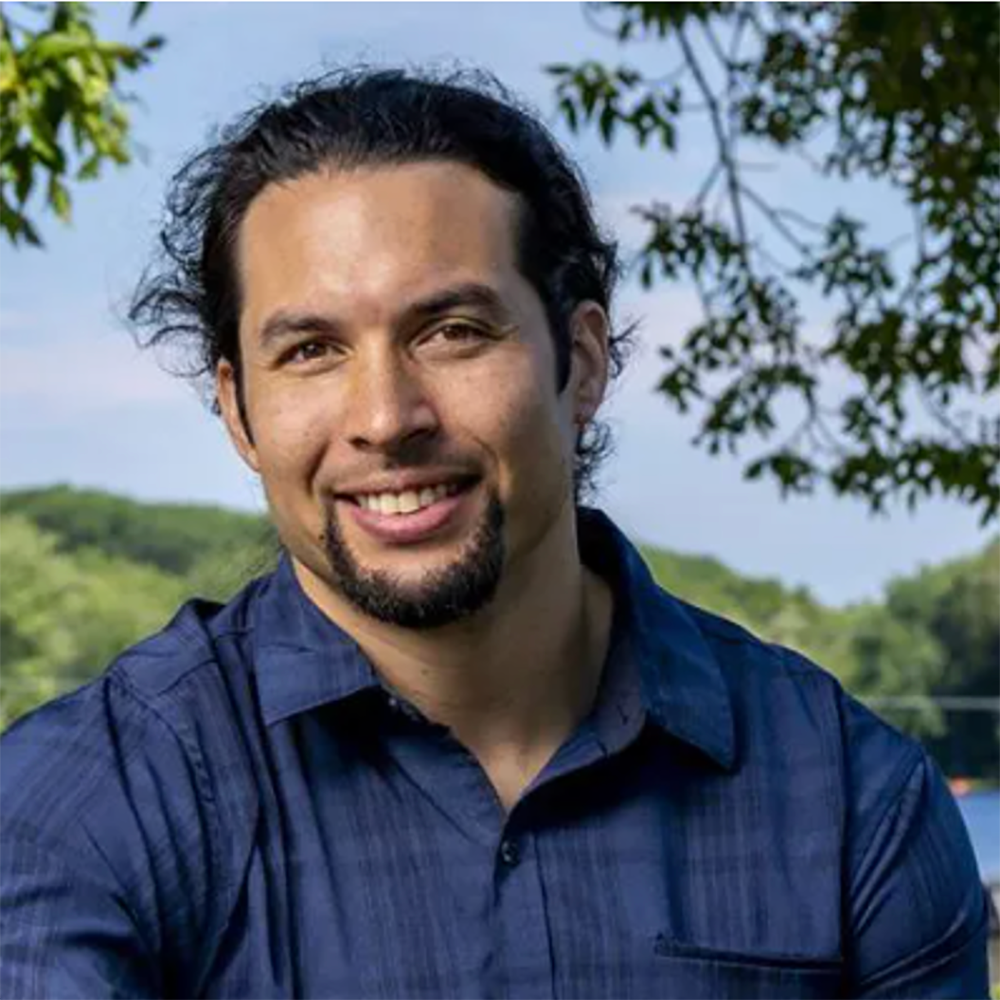
Tony Sutton (Keynote)
Biography
Anthony Sutton, PhD, is Passamaquoddy from Sipayik. He is an Assistant Professor of Native American Studies and Food Systems at the University of Maine and Faculty Fellow at the Mitchell Center for Sustainability Solutions. Sutton’s work focuses on centering Wabanaki visions for the restoration of foodways and fisheries within Wabanaki homelands. Email Tony
Siqonomeq-kisuhs (Alewives Moon): restoring Wabanaki ways of knowing in river restoration
For thousands of years, species like Alewives have gathered people and organized them in different places. For Wabanaki, I describe these as sites of sustenance, where food is gathered, management is enacted, and cultural and spiritual wellbeing is sustained. Today, fish are gathering a more diverse set of people from Wabanaki nations, municipalities, citizens, conservation groups, and many more. With the many ideas around how we think about or conceptualize rivers, the original stewards, the Wabanaki, can be obscured. This presentation will bring these voices together more fully by first describing a history that unites why we are gathering in these places and secondly, specific attention is given to amplifying the voices of Wabanaki knowledge, values, and management to inform how we think about rivers, fish, and the people around them today.
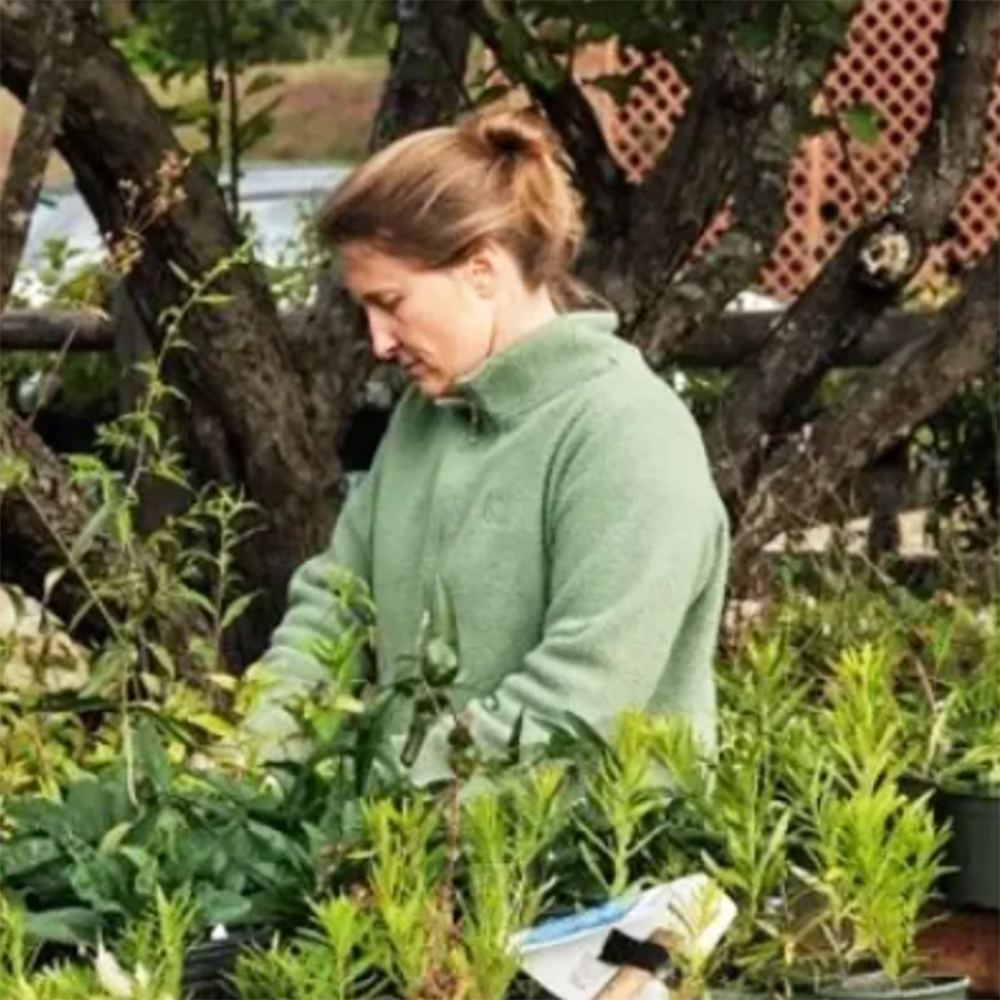
Tracy Weber
Biography
Tracy Weber, Owner, Blue Aster Native Plants,. Blue Aster Native Plants was started in 2019. Prior to that, I was a professional gardener in Maine for 20 years. I became interested in native plants over 10 years ago and was frustrated by how difficult it was to find them in local nurseries, particularly uncultivated species. Then I became involved with a non-profit called Wild Seed Project. I learned how easy it is to grow many native plants from seed and decided to start growing them myself. My goal is to provide a wide range of species, both perennials and shrubs, with as much genetic diversity as possible and to grow them in as sustainable a manner as possible. I’m always learning! Email Tracy
Native Planting Demo
Walk through the dos and don’ts of lakeside planting with the state horticulturalist and an owner of a native nursery. They will share resources, knowledge and tips for success.
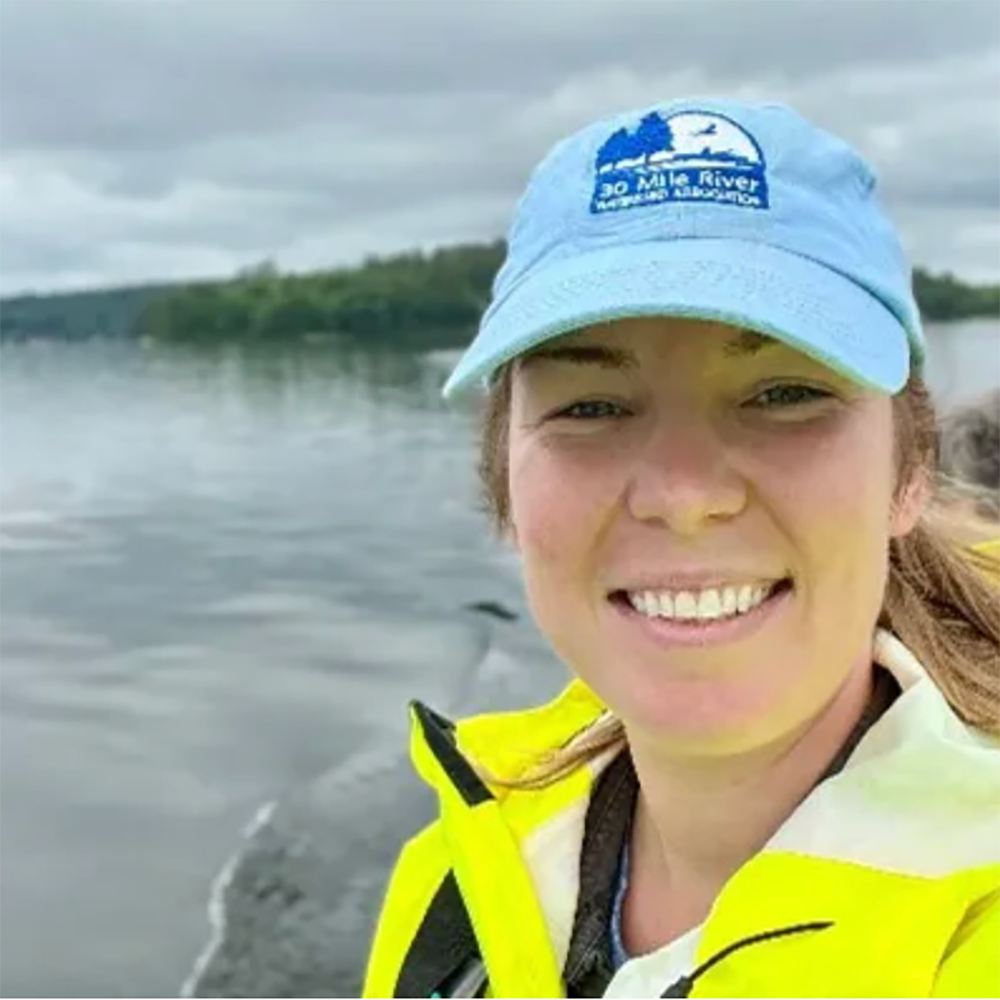
Whitney Baker
Biography
Whitney has a B.S. in Ecology and Environmental Science from the University of Maine. She is an experienced water quality monitor, LakeSmart evaluator, and has over 10 years of professional experience supporting and managing watershed protection and restoration projects for Maine lakes, providing technical assistance to private landowners, town staff, and road groups, working to remediate NPS problems. At 30 Mile, Whitney manages 319 and watershed planning projects, facilitates watershed surveys, and oversees the water quality monitoring, Youth Conservation Corps (YCC), and LakeSmart programs. Email Whitney
PARTNERSHIPS: YCC Collaborations: Enhancing Lake Communities
Learn more about creating (and maintaining) Youth Conservation Corp crews who focus on erosion-control efforts and other activities that improve lake and water quality. Whitney Baker from 30 Mile River Watershed Association will share an overview of the YCC program, and her perspective from a staffed regional watershed organization. Jim Skinner from Thompson Lake Environmental Association will share his perspective from a lake association that relies on volunteers to run and manage the program. Both speakers will share “lessons learned”, ideas for success, and some of the challenges they’ve faced organizing YCC crews for their lake and their region.

Zach Gosselin
Biography
Zach Gosselin attended Husson University and graduated with a BS in Environmental Sciences. Zach spent years in college working for Environmental Projects Inc. as a hazardous waste chemist before moving on to a career in horticulture. Zach currently works for the Androscoggin Valley Council of Governments, where he works as the environmental and resilience coordinator. His responsibilities include assisting municipalities with solid waste and hazardous waste needs as well as assisting towns to enroll in the Community Resilience. Email Zach
Plenary, Community-Led Climate Action: Regional Coordinator and Service Provider Roles
This talk is about the role of service providers and regional coordinators in the Community Resilience Partnership and how they can assist your municipalities! The Maine Won’t Wait Climate Action Plan outlines strategies for the state to meet goals to preserve and protect Maine’s environment and help Maine people cope with climate-related changes in our towns and cities. Funding from the Governor’s office on Policy, Innovation, and the Future address these issues with direct grants to communities for any project with a positive impact.
Conference video recordings
Morning Session – Welcome, Advocacy, and Keynote Speaker Anthony Sutton, PhD
Morning Session – Tristan Taber and Zach Gosselin
Afternoon Session – Alex Wong, Linda Bacon, James Reddoch, Nel Houde, Gary Fish, Tracy Webber
Afternoon Session Dinning Hall – Dianne Kopek, Jason Seiders, Avery Lamb
Afternoon Session – Jen Jespersen, Dave Rocque, Whitney Baker, Jim Skinner, Anthony Wilson